
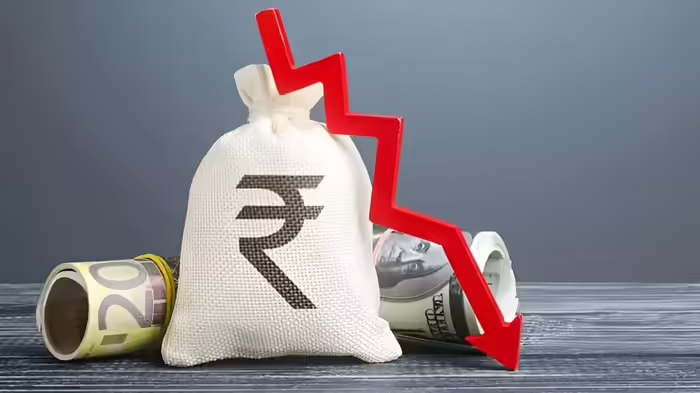
New Delhi: The recent depreciation of the Indian rupee against the US dollar has sparked concerns across households and boardrooms alike. But does a weaker rupee truly signal a crisis for the Indian economy? Experts say, not necessarily.
If your expenses involve dollars, such as sending a child abroad for higher education, the weakening rupee can increase costs. A budget that seemed sufficient last year may now feel constrained because converting rupees to dollars will be more expensive.
Why the Rupee Falls Isn’t Always Bad
For a growing economy like India, slight fluctuations in the currency are normal. India’s economy is expanding, consumption is rising, and imports still exceed exports, creating natural pressure on the rupee. In fact, a weaker rupee can benefit Indian exporters by making their products cheaper in foreign markets.
Key Factors Behind the Rupee’s Current Weakness:
- Lower FDI Inflows: Pending trade deals between the US and India have made exporters cautious, reducing foreign investment in India.
- Foreign Investor Sell-offs: Post-pandemic, domestic consumption has slowed, discouraging investments. At the same time, foreign investors are withdrawing funds in search of better returns abroad, increasing the demand for dollars.
- Recovery in Consumption: Positive signs include growing demand for vehicles, consumer durables like ACs, fridges, and washing machines, indicating a pickup in domestic spending.
Government Measures & Economic Support
Recent policy steps, including tax exemptions up to ₹12 lakh, rationalization of GST, and interest rate cuts, are expected to strengthen economic growth. Increased consumption encourages companies to invest, boosting the economy and eventually supporting the rupee.
Exports Could Benefit
A weaker rupee makes Indian goods more competitive internationally, even with tariffs in place. Experts expect export growth in pharmaceuticals, engineering goods, textiles, and IT services during the 2026–27 fiscal year.
Looking Ahead
The rupee’s trajectory will also depend on the US dollar’s strength. Analysts at JP Morgan predict a softer dollar in the first half of FY 2026–27, which could help the rupee recover.
Role of RBI
With inflation under control, the Reserve Bank of India can increase money supply, making loans cheaper and boosting investments. This cycle can strengthen the economy, showing that a temporary weakness in the rupee can ultimately benefit the country.
In conclusion, while the weak rupee may cause short-term challenges for dollar-dependent expenses, it does not indicate a weak India. On the contrary, it could stimulate exports, investment, and long-term economic growth.
Related
Discover more from SD NEWS agency
Subscribe to get the latest posts sent to your email.
Discover more from Daily Reporter
Subscribe to get the latest posts sent to your email.